Proven impact for your members
Drawing on peer-reviewed science and validated partner outcomes, Google Health Enterprise helps organizations improve engagement and support healthier behaviors at scale.
The high cost of unmanaged conditions in your population
Chronic conditions and lifestyle factors drive preventable spending:
Poor Sleep
$95 billion
Poor sleep accounts for nearly $95 billion in annual U.S. healthcare costs1
Physical Activity
$192 billion
Inadequate physical activity accounts for $192 billion in annual U.S. healthcare costs2
Type 2 Diabetes
$412 billion
The direct annual healthcare cost of Type 2 Diabetes in the U.S. has reached $412 billion3
Our solutions are backed by independent research and real results
Google Health Enterprise integrates Google and Fitbit technology that has powered independent studies and interventions with leading institutions. This research validates what our partners experience every day.
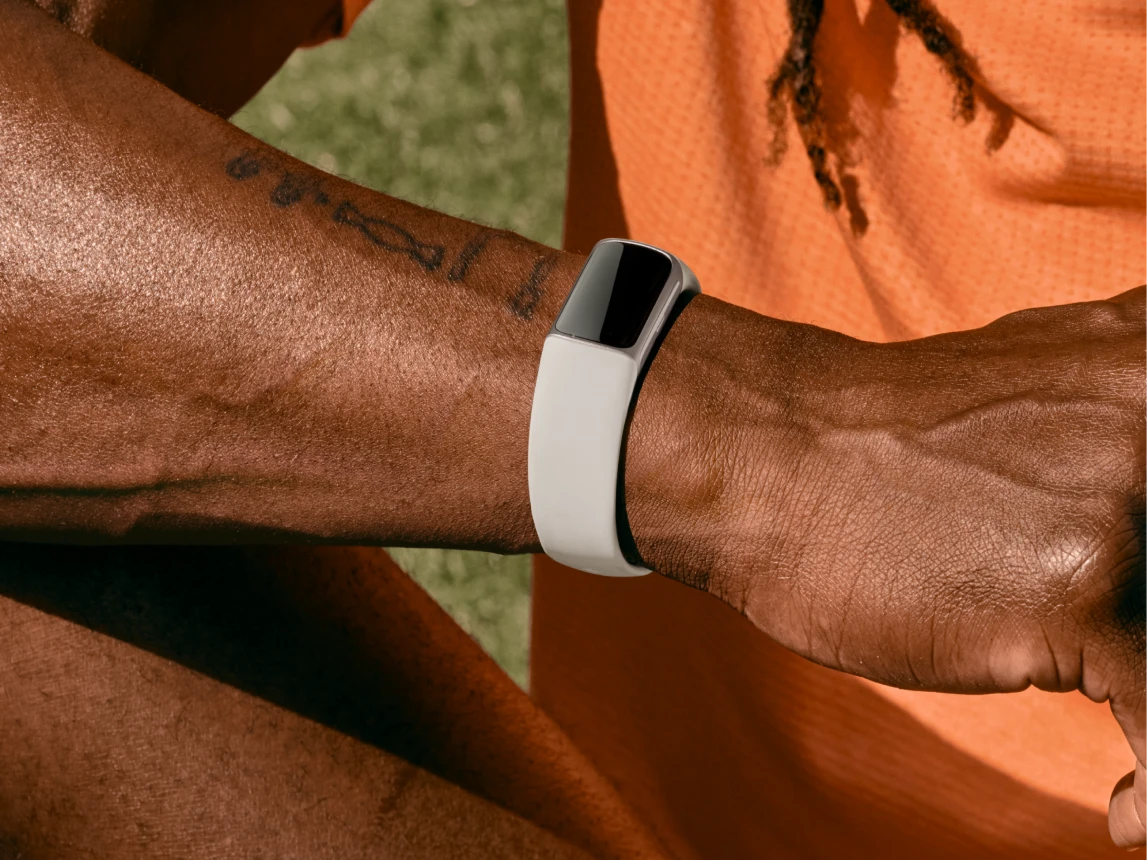
Greater weight loss with Fitbit devices
A Brown University study found Fitbit users lost an average of 11 more pounds over 6 months compared to self-monitoring tools.4
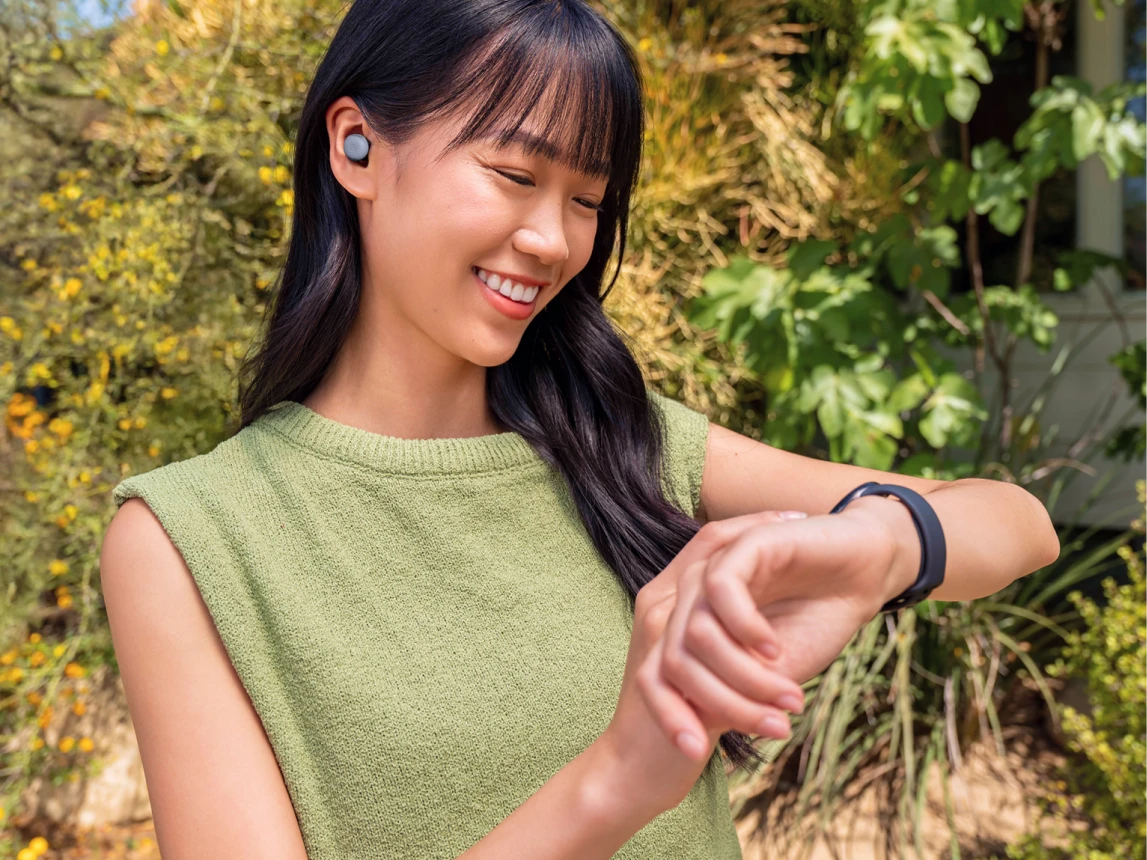
Stronger cardiovascular health
University of California San Francisco researchers found post-cardiac rehab patients who used Fitbit achieved a 13.2% increase in cardiovascular fitness vs. standard care over 12 weeks.5

Increased physical activity
Rush University Medical Center found women aged 65+ with cardiovascular disease who used Fitbit devices achieved 200% more moderate-to-vigorous physical activity per day.6
Trusted by leading health organizations nationwide
"Our collaboration with Google Health acts as a powerful catalyst for engagement, bridging the gap between our award-winning A.I. coaching and exercise. We provide the consistent accountability required for members to fully embrace their health journey. This integration strengthens the link between meal logging and activity, fostering the sustainable habits that drive meaningful, long-term health improvements."
-Julia Hu, CEO, Lark Health

“Wearables like Fitbit help close the gap between clinical guidance and daily behavior. When participants can track their movement and see progress in real time, engagement goes up – and that's what drives lasting health outcomes.”
-Mohammed Saeed, Chief Medical Officer, Solera Health

"Despite the clear benefits of preventative care, health systems and the insurance market as a whole remain focused on treating illness when it happens. [Vitality's] partnership with Google transforms this. [With] Google’s technology and AI capabilities, and our unique data sets and understanding of behavior change, we will... [come] together in a way that personalizes and empowers millions of people to take control of their health."
-Adrian Gore, Founder and Group Chief Executive of the Discovery Group (Parent company of Vitality Group)

“My hope is that advancing research on innovative and accessible technology, like Fitbit devices, will lead to more tools that help improve health outcomes and reduce the impact of AFib on a large scale.”
-Steven Lubitz, M.D., M.P.H, Cardiologist at Massachusetts General Hospital and Associate Professor of Medicine at Harvard Medical School.

"We are excited to have Fitbit as a technology partner because of their focus on driving behavior change to improve lives, and their ability to deliver a differentiated, personalized experience focused on health and wellness."
-Michael Madon, CEO, HUML Health (formerly Pretaa)

Dive deeper into our resources
Fitbit and Medicare Advantage Survey Results
The Impact of Fitbit Devices on MA Plan Selection and Satisfaction
On-Demand Webinar
Improve Member Engagement and Star Ratings with the Help of Google Health Enterprise
White Paper
Consumer Wearables in Value-Based Care
Guidebook
Help Enhance Population Health with Data from Fitbit Devices
The Employer’s Guide to Wellness Dollars
The Employer’s Guide to Wellness Dollars
White Paper
How Wearables Enhance Perioperative Patient Engagement for Patients and Providers
White Paper
How Wellness Apps Are Enhancing Workplace Benefits
White Paper
At the Corner of Sleep and Stress
eBook
Maximizing Quality Sleep
Creating Healthy Habits at Any Age
Creating Healthy Habits at Any Age
The Struggle is Real
The 9 Barriers to Behavior Change
Infographic
Fit For the Ages
White Paper
Why is Behavior Change so Hard?
From Step Tracker to Health Companion
6 Ways Fitbit Empowers Health & Wellbeing
Let's Get Together
6 Ways Social Connectedness Improves Senior Health
Brochure
Fitbit Knows How to Change Behavior
eBook
The Power of the Fitbit Brand to Engage Your Population in Their Health
White Paper
How to Make Remote Monitoring Tech Part of Everyday Health Care
Case Study
SEIU 775 Benefits Group - Caring For Caregivers
Help Employees Rest Easy With These Sleep Tips
Help Employees Rest Easy With These Sleep Tips
Tip Sheet
Resting Heart Rate - What it is and Why You Should Care
Tip Sheet
Boost Heart Health With Physical Activity
White Paper
Closing the Gaps in Health Care to Achieve Better Outcomes
White Paper
Key Strategies for Sustained Health Behavior Change in Chronic Disease
White Paper
Unlocking Behavior Change
Success Stories from Fitbit Users
Success Stories from Fitbit Users
The Friends & Family Factor
Why Seniors Need Social Connectedness
FAQ
-
Organizations improve member engagement by offering personalized experiences that deliver real value and keep people actively participating over time. Google Health Enterprise combines wearables with AI coaching that adapts to each member's specific goals, providing real-time feedback and guidance that feels relevant to their daily lives. Health plans and employers see sustained engagement long after initial signup, with members consistently wearing devices, tracking their progress, and taking action on health recommendations rather than abandoning programs after a few weeks.7
-
Prevention and early intervention deliver the strongest cost reductions, and organizations using Google Health Enterprise see measurable results. Health plans report lower healthcare utilization as members better manage chronic conditions like diabetes and hypertension before complications arise. Employers see decreased emergency room visits and fewer high-cost claims when at-risk populations receive continuous monitoring and proactive support. The solution's data shows exactly which interventions drive savings, enabling organizations to refine programs and demonstrate ROI to stakeholders.
-
Wearables provide the continuous, objective data that value-based care models require to demonstrate patient engagement and track outcomes. Google Health Enterprise captures activity levels, chronic condition indicators, and care plan adherence in real time, giving providers the documentation needed for quality reporting and value-based contracts. The solution delivers data-driven patient outcomes through measurable metrics that show patient progress, support performance assessments, and provide evidence of care plan effectiveness. This enables providers to meet value-based payment requirements through quantifiable health data and demonstrated patient activation.
-
Proven STAR rating improvement strategies focus on increasing member engagement in preventive care and chronic condition management. Google Health Enterprise provides a supplemental benefit that keeps members actively engaged in health activities tied to STAR measures. The solution tracks key metrics for quality reporting, enables targeted interventions for at-risk members, and provides documentation that supports care gap closure and medication adherence initiatives. This gives health plans the tools needed to support STAR performance through measurable member activation
-
Technology-driven programs support HEDIS score improvement by increasing member participation in preventive care and screenings. Google Health Enterprise helps health plans track engagement in wellness activities, identify members who need outreach for specific HEDIS measures, and generate data for quality reporting. The solution provides insights into which members are completing preventive visits, managing medications effectively, and participating in recommended health screenings, giving health plans actionable information to close gaps and improve performance.
-
Digital health programs increase employee engagement and retention by offering benefits that people value and actually use in their daily lives. Google Health Enterprise provides personalized wellness support that addresses individual health goals, from better sleep to increased activity to stress management. The solution enables organizations to create meaningful wellness experiences through challenges, progress tracking, and community features that build connection beyond traditional benefits. This approach gives employers a retention tool that demonstrates investment in workforce wellbeing.7
-
Employee health and wellness incentives drive initial signup, but sustained engagement requires programs that deliver ongoing value beyond rewards. Google Health Enterprise combines incentive structures with personalized support that helps users achieve meaningful progress on their own health goals. The solution enables organizations to design flexible rewards programs, track which incentives generate the strongest participation, and adjust approaches based on what resonates with different populations. This helps move beyond one-time signup bonuses toward sustained behavior change.
-
Organizations using Google Health Enterprise gain visibility into health risks across their workforce, enabling early intervention before conditions escalate into costly care. The solution supports cost reduction efforts by helping users manage chronic conditions like diabetes and hypertension, tracking preventive care engagement, and identifying patterns in healthcare utilization. Organizations can monitor trends in emergency room visits, prescription adherence, and high-cost claims, giving them data to assess program impact and refine their approach over time. The solution provides the tools and insights needed to support workforce health while working toward lower healthcare spending.
-
Wearables for clinical trials provide continuous, objective data that traditional self-reported methods can't match. Google Health Enterprise enables researchers to track real-world activity, sleep patterns, and vital signs automatically, eliminating recall bias and incomplete logs. The solution's API provides access to granular behavioral data for validation and analysis, supporting studies that require longitudinal health monitoring. This gives researchers the continuous, passive data collection needed to understand how interventions perform in everyday settings rather than controlled environments.
-
https://journals.sagepub.com/doi/full/10.1177/08901171251357128
-
Requires Google Health Premium subscription (sold separately), Google Health app, Wi-Fi, and internet connection. Features subject to change; availability varies. Not intended for medical purposes. Gemini features work independently of Gemini apps. Check responses for accuracy; results may vary.